
Signatures are used in offices, businesses, banks, hospitals, and many other places every day. Some people prefer signing documents by hand, while others use signature stamps for faster processing. Both methods serve the same purpose, but they differ in usage, speed, security, consistency, and convenience.
Understanding these differences can help you decide which option is suitable for your work.
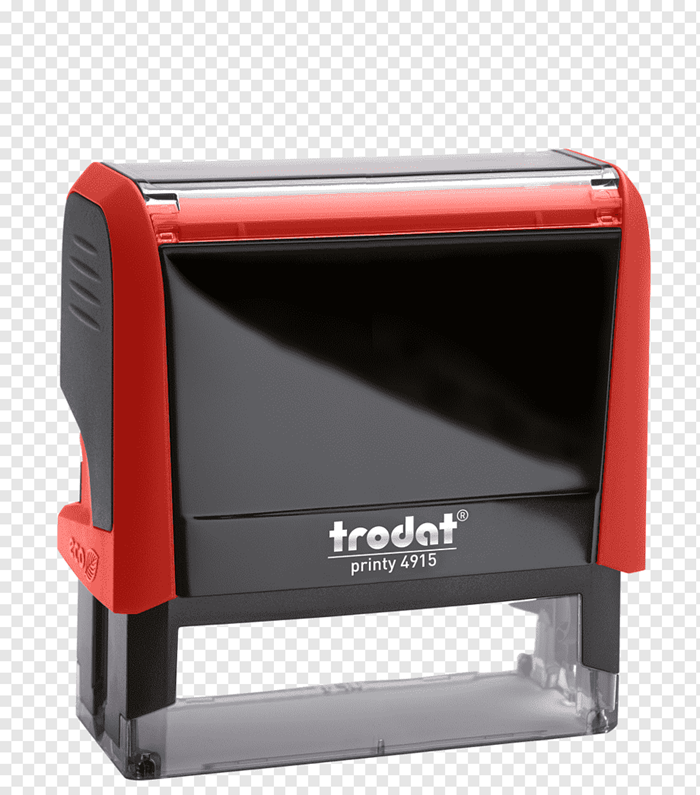
Key Differences Between Manual Signing and Signature Stamp Usage
What is Manual Signing?
Manual signing refers to writing a signature by hand using a pen or marker. It is the traditional method followed for personal and professional documents.
People use manual signatures for:
- Contracts
- Legal papers
- Bank forms
- School records
- Personal letters
- Government documents
A handwritten signature is often considered more personal because the individual signs each document physically.
However, manual signing can take a lot of time if there are many papers to process every day.
What is a Signature Stamp?
A signature stamp is a stamp that contains a copy of a person’s signature. Instead of signing repeatedly by hand, the stamp is pressed onto the document.
Signature stamps are commonly used in:
- Offices
- Medical facilities
- Warehouses
- Financial departments
- Shipping operations
Many professionals use signature stamps to save time during repetitive paperwork.
Some businesses also use decorative styles known as Signature Stamp Art for branding, creative packaging, or customized office use.
Difference in Speed
One of the biggest differences between manual signing and signature stamp usage is speed.
Handwritten signatures take longer because every document must be signed individually. This may not be a problem for occasional paperwork, but it becomes difficult when handling hundreds of documents daily.
Signature stamps make the process much faster. A stamp can mark documents within seconds. Because of this, companies that process invoices, receipts, or approval forms often use signature stamps.
For high volume office work, signature stamps reduce workload considerably.
Difference in Consistency
Manual signatures may look slightly different each time. Factors such as writing speed, pen quality, hand movement, or fatigue can affect the appearance of the signature.
Signature stamps provide the same result every time. The impression remains consistent across documents.
This consistency is useful for businesses that want documents to appear organized and professional.
Difference in Personal Touch
Handwritten signatures usually feel more personal. Since the person physically signs the document, it may carry more emotional or professional value.
For example, greeting cards, personal letters, or legal agreements are often signed manually because people prefer a direct human touch.
A signature stamp does not provide the same feeling because the signature is reproduced mechanically.
Even though the stamp contains the actual signature design, some people still prefer handwritten signing for important papers.
Difference in Security
Security is another major difference.
A handwritten signature is harder to duplicate perfectly because natural writing movements vary slightly each time. However, forged signatures can still happen.
Signature stamps can create security concerns if they are left unattended. Someone else may use the stamp without permission.
Because of this, businesses usually store signature stamps in locked drawers or restricted areas.
Some modern stamps include additional security features such as custom ink patterns or special designs to reduce misuse.
Difference in Physical Effort
Manual signing can become tiring if a person signs documents continuously throughout the day.
This issue is common in:
- Hospitals
- Administrative offices
- Banking sectors
- Educational institutions
Repeated hand movement may cause discomfort over time.
Signature stamps reduce physical effort because the user simply presses the stamp onto the paper.
This makes stamp usage practical for people handling large amounts of paperwork daily.
Difference in Legal Acceptance
Both methods can be legally accepted depending on the document type and local regulations.
Many companies accept signature stamps for internal approvals and routine paperwork. However, some legal documents still require handwritten signatures.
Examples may include:
- Property agreements
- Court documents
- Certain government applications
Before using a signature stamp, it is important to verify whether the document permits it.
Conclusion
Manual signing and signature stamp usage serve different purposes in daily operations. Handwritten signatures provide a personal feel and are commonly used for formal documentation. Signature stamps help save time and maintain consistency during repetitive tasks.
The right choice depends on the type of work, the number of documents handled, and the level of security required.
For businesses handling large paperwork volumes, signature stamps can simplify operations considerably. On the other hand, manual signatures still remain important for official and personal documentation.
