
Signature stamp art is a simple way to reproduce a handwritten signature on paper without writing it manually every time. It can be used for artwork, personal projects, documents, invitations, stationery, and other creative purposes.
In certain instances, a signature stamp may not look as clear or attractive as you expect. The ink can spread, the paper may absorb too much ink, or the signature design itself may lack the details needed to make it look distinctive.
Therefore, we are going to discuss the possible ways to make signature stamp art look distinctive on paper and find the right methods to get better results.
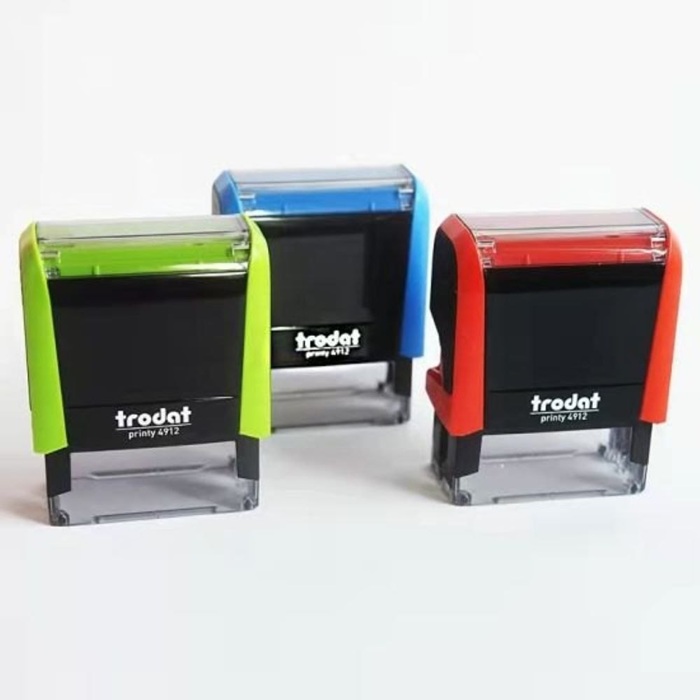
How Can You Make Signature Stamp Art Look Distinctive on Paper?
The appearance of signature stamp art depends on several factors. The signature design, stamp quality, ink type, paper surface, and stamping method can all affect the final result.
If any of these factors are not suitable, the stamped signature may look faded, blurred, uneven, or difficult to read.
Therefore, you must consider each part of the stamping process before creating the final signature stamp.
Use a Clear Signature Design
The first thing you need is a clear signature design. If the original signature contains very thin lines or excessive details, they may not appear properly after stamping.
A simple signature with clear strokes can produce a better impression on paper.
You can create or refine the signature digitally before converting it into a stamp. A Signature Stamp Generator can also be used to prepare a digital signature design before creating the physical stamp.
Create your signature on a clean white sheet of paper. Use a dark pen so that every stroke is clearly visible. Scan or photograph the signature at a good resolution. Remove unnecessary marks from the image before using it for the stamp. Check the final digital design and make sure the main signature strokes are clear.
Choose the Right Stamp Size
The size of the stamp can also affect how the signature appears on paper.
If the stamp is too small, the signature details may become difficult to see. If it is too large, it may occupy too much space and lose the natural appearance of the signature.
Therefore, selecting a suitable size is important for getting a balanced result.
Consider the area where you are going to use the signature stamp. Select a stamp size that gives enough space for the complete signature. Avoid reducing the signature so much that the strokes become difficult to identify. Test the size on a sample sheet before using it on the final paper.
Select the Right Ink
Ink plays an important role in the appearance of signature stamp art. The wrong ink can spread across the paper and make the signature look unclear.
Some papers absorb ink quickly, while others have a smoother surface that keeps the ink closer to the stamped area.
Therefore, you should select an ink that works well with the paper you are using.
Choose an ink suitable for the type of paper. Apply a moderate amount of ink to the stamp. Avoid pressing the stamp repeatedly into the ink pad. Test the stamp on a spare sheet before making the final impression. If the ink spreads, try another ink type or a different paper surface.
Use Suitable Paper
The paper itself can change the appearance of the signature stamp. Thin and highly absorbent paper may cause the ink to spread outside the signature lines.
On the other hand, smoother paper can provide a cleaner impression.
Therefore, choosing the right paper can make a noticeable difference in the final appearance.
Use a smooth paper surface for detailed signature stamp art. Avoid paper that absorbs ink too quickly. Test several paper types if you are creating artwork or stationery. Compare the impressions and choose the paper that gives the clearest result.
Apply Even Pressure
The way you press the stamp onto the paper can also affect the final impression.
If you press one side harder than the other, some parts of the signature may appear darker while other areas may look faded.
Therefore, you should apply even pressure when stamping.
Place the paper on a flat surface. Position the stamp correctly before pressing it down. Apply even pressure across the complete stamp. Hold it in place briefly and lift it straight upward. Avoid moving the stamp sideways while pressing it onto the paper.
Keep the Stamp Clean
Ink residue can collect around the signature design after repeated use. This can cause unwanted marks around the signature and reduce the clarity of the artwork.
Therefore, cleaning the stamp regularly can help maintain a clear impression.
Check the stamp surface after repeated use. Remove excess ink from areas outside the signature. Clean the stamp according to the material and ink being used. Allow it to dry properly before storing it.
Test Before the Final Impression
Even after selecting the right design, ink, stamp, and paper, it is better to perform a test impression.
A test allows you to identify problems before using the stamp on your final artwork or document.
Take a spare sheet of the same paper. Apply ink to the stamp. Press the stamp evenly onto the sheet. Check the signature for clarity, spacing, ink coverage, and unwanted marks. If the impression does not look right, adjust the ink, pressure, paper, or stamp size and test it again.
Conclusion
These are the main ways to make signature stamp art look distinctive on paper. The signature design, stamp size, ink, paper, pressure, and cleanliness all have an effect on the final impression.
If you use a clear signature and test the stamp before applying it to the final paper, you can achieve a cleaner and more attractive result.
For digital preparation, a Signature Stamp Generator can also help you create a suitable signature design before converting it into a physical stamp. With the right combination of these methods, your signature stamp art can produce a clear and professional impression on paper.
