
Hydraulic hoses are used in different types of machines to transfer hydraulic fluid between various components. They have to handle fluid under pressure while also working in different temperature conditions.
In certain instances, excessive temperature or pressure can affect the performance of the hydraulic hose. Because of this, the hose may become damaged, leak, or fail to function properly.
Therefore, we are going to discuss how temperature and pressure affect hydraulic hose performance and what you can do to prevent these problems.
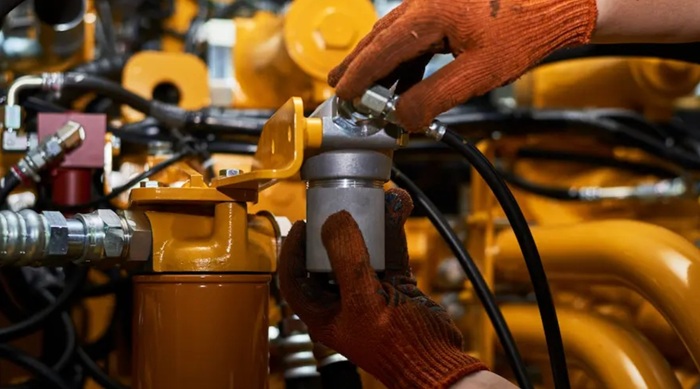
How Temperature Affects Hydraulic Hose Performance
Temperature has a direct effect on the materials used to manufacture hydraulic hoses. Both extremely high and extremely low temperatures can affect the hose and reduce its service life.
Hydraulic hoses are made using rubber, thermoplastic, reinforcement layers, and other materials. Each material has a specific temperature range in which it can function properly.
When the operating temperature goes beyond this range, the hose can become damaged.
High Temperature
High temperature is one of the common causes of hydraulic hose deterioration. When the hose is exposed to excessive heat for a long period, the rubber can become hard and lose its flexibility.
The heat can also affect the inner tube and reinforcement layers. As the material starts to deteriorate, cracks may appear on the hose surface.
In some cases, the hose may look normal from the outside but can already be damaged internally.
Check the operating temperature of the hydraulic system and compare it with the temperature rating of the hose.
If the temperature is too high, identify the source of the heat. It can come from the hydraulic fluid, nearby engine components, exhaust systems, or other heat producing parts.
Move the hose away from the heat source whenever possible. You can also use a hose with a higher temperature rating if required.
Low Temperature
Low temperature can also affect hydraulic hose performance. When the temperature drops significantly, the hose material can become stiff and less flexible.
Because of this, the hose may not bend properly during machine operation. Continuous movement in this condition can result in cracks or other forms of damage.
Hydraulic fluid can also become thicker at low temperatures. This can increase resistance inside the hydraulic system and affect its operation.
Check the temperature range specified for the hydraulic hose before using it in cold conditions.
If the machine is operating in a cold environment, allow the hydraulic system to warm up before applying heavy pressure or load.
Using a hose that is suitable for the expected temperature range can also help prevent premature failure.
How Pressure Affects Hydraulic Hose Performance
Pressure is another important factor that affects hydraulic hose performance. Every hydraulic hose has a specific pressure rating.
If the pressure inside the hose exceeds its rated working pressure, the reinforcement layers can become overstressed.
This can cause the hose to expand, develop cracks, or eventually burst.
Therefore, you must choose a hydraulic hose according to the pressure requirements of the hydraulic system.
Excessive Hydraulic Pressure
Excessive pressure can occur due to a faulty valve, blocked line, incorrect system settings, or sudden pressure spikes.
A hose may be able to handle normal operating pressure but fail when it experiences repeated pressure spikes.
This is because pressure spikes can place additional stress on the reinforcement layers and hose assembly.
Check the hydraulic system pressure using a suitable pressure gauge. Compare the actual operating pressure with the working pressure rating of the hose.
If the pressure is higher than the hose rating, replace the hose with one that can handle the required pressure.
You should also check the hydraulic system for blocked lines, faulty valves, or other issues that may be causing abnormal pressure.
Pressure and Temperature Together
Temperature and pressure can affect a hydraulic hose at the same time. A hose operating at high pressure and high temperature can experience more stress than a hose operating under normal conditions.
As the temperature increases, the hose material can lose some of its strength. If the system is also operating at high pressure, the hose may deteriorate faster.
Therefore, both temperature and pressure ratings must be considered when selecting a hydraulic hose.
For example, a hose may have a particular maximum pressure rating at normal temperature. Its pressure capability may be different when the operating temperature increases.
This is why checking the manufacturer’s specifications is important before installing a hose.
How to Prevent Hydraulic Hose Failure
You can reduce the possibility of hydraulic hose failure by regularly checking the hose and hydraulic system.
Look for cracks, bulges, leaks, exposed reinforcement, and changes in the hose surface.
You should also check whether the hose is exposed to excessive heat or pressure during machine operation.
Replace the hose if you find visible damage or if it has reached the recommended service life.
Using hydraulic hoses from a reliable manufacturer such as Lenflex Hose can also help you select a hose according to the required pressure and temperature conditions.
Conclusion
Temperature and pressure have a major effect on hydraulic hose performance. Excessive heat can cause the hose material to deteriorate, while extremely low temperatures can make the hose stiff and less flexible.
Similarly, excessive pressure and sudden pressure spikes can damage the reinforcement layers and cause hose failure.
Therefore, you must select a hydraulic hose according to the operating temperature and pressure of the hydraulic system. Regular inspection and proper installation can also help prevent unexpected hose failure.
If the hose is used within its specified temperature and pressure range, it can provide reliable performance and help keep the hydraulic system working properly.
