
Selling products across borders can slow business growth due to taxes, regulations, payments, and logistics that differ by country. Managing these areas internally often demands time, resources, and local expertise. A Merchant of Record model removes these obstacles by taking full responsibility for the selling process in each market. This allows businesses to expand into Europe without setting up local entities or managing compliance on their own. With the right partner, cross border sales become structured, predictable, and easier to manage.
How Can a Merchant of Record Remove Barriers to Cross Border Sales?
A Merchant of Record removes barriers by acting as the legal seller and handling all operational responsibilities related to cross border transactions. This includes compliance, invoicing, tax handling, payments, logistics, customer service, and returns. Instead of coordinating multiple vendors, sellers work with a single partner that manages the entire ecommerce process.
This approach simplifies expansion, reduces internal workload, and supports faster entry into European markets. Businesses can focus on product and strategy while their Merchant of Record manages day to day ecommerce operations.
Managing Regulations and Tax Responsibilities
European markets have strict rules around taxes, invoicing, and consumer protection. A Merchant of Record takes full responsibility for these requirements. This includes calculating and collecting taxes, issuing compliant invoices, and handling refunds and chargebacks. Sellers do not need to register for taxes or study local laws in each country.
Ideal Group manages these processes centrally, removing the administrative burden from entrepreneurs. By transferring legal responsibility to the Merchant of Record, businesses avoid compliance risks and gain confidence while selling across multiple European countries.
Handling Payments and Financial Processes
Cross border payments introduce challenges such as currency conversion, regional payment methods, and transaction disputes. A Merchant of Record processes payments directly with end customers and manages all financial workflows. This includes handling failed payments, refunds, and chargebacks.
Sellers receive consolidated payouts without dealing with separate payment providers in each country. Ideal Group manages payment processing across Europe, allowing customers to pay using familiar methods. This reduces checkout friction and helps maintain steady revenue flow without added financial oversight from the seller.
Supporting Fulfillment and Logistics Operations
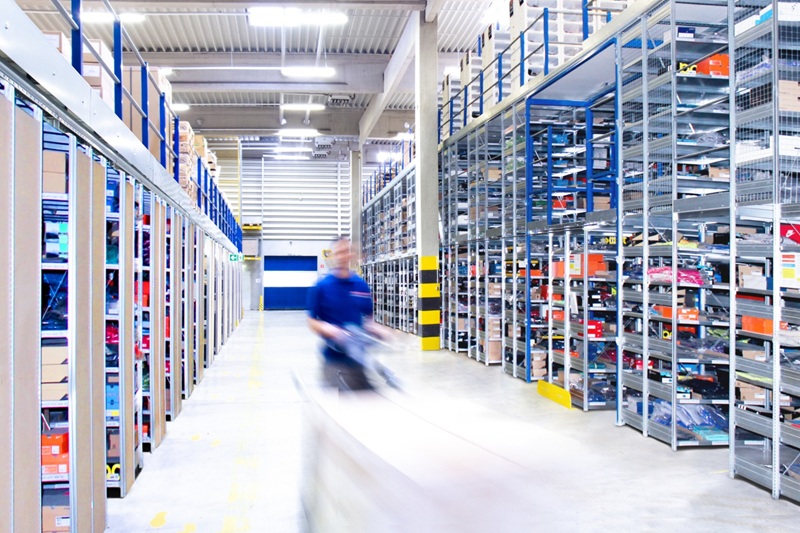
Shipping and returns often become a major barrier in international sales. A Merchant of Record with its own logistics network simplifies this process. Ideal Group operates large scale warehousing facilities and manages inventory storage, order packing, shipping, and returns.
This setup allows brands to rely on a Fulfillment Company Europe model without building their own logistics infrastructure. Centralized fulfillment improves delivery speed and return handling, leading to better customer experiences and lower operational effort for sellers.
Expanding Sales Channels and Market Access
Reaching customers across Europe requires presence on multiple marketplaces and localized online shops. A Merchant of Record lists products on over 200 marketplaces and supports the creation and maintenance of online stores. Product data management, marketplace integration, and ongoing optimization are handled as part of the service.
Ideal Group connects these channels through its integrated commerce platform, allowing orders and inventory to sync automatically. This removes technical and operational barriers while giving brands immediate access to European customers.
Conclusion
A Merchant of Record removes the key obstacles that prevent businesses from expanding into cross border sales. By taking responsibility for compliance, payments, fulfillment, customer service, and sales channels, it simplifies international ecommerce operations. Ideal Group provides a complete ecommerce framework that allows sellers to operate across Europe without managing regulations or logistics internally. This model supports scalable growth and reduces operational pressure, making European market entry more achievable for brands selling physical products.
