
Playtime is a key part of early childhood development. Children learn many foundational skills long before formal schooling begins, and toys play a major role in that process. Through hands-on interaction, children explore ideas, test responses, and build understanding at their own pace. This article explains how toys support learning during early childhood and why structured play remains an important part of development.
The Role of Play in Early Childhood Learning
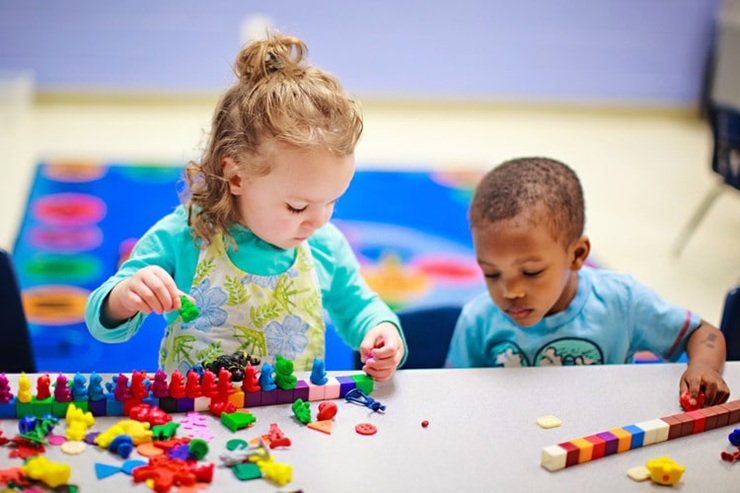
Young children learn best through direct experience. Play allows them to interact with objects, people, and situations in a way that feels natural. Instead of passive observation, children actively touch, move, and experiment. This helps strengthen memory, attention, and problem-solving abilities.
Toys act as learning tools that support this process. They give children something concrete to explore, which helps them understand abstract ideas like numbers, shapes, cause and effect, and language patterns.
How Toys Support Cognitive Development
Cognitive skills include thinking, reasoning, and understanding relationships between ideas. Many toys are built around these basic concepts.
For example, puzzles encourage children to recognize patterns and match shapes. Building blocks help them understand balance, size, and spatial relationships. Sorting toys introduce categories and sequencing. These activities improve focus and teach children how to approach a task step by step.
This is a clear example of how toys help kids in early education by turning learning into an active process rather than a passive one.
Encouraging Language and Communication Skills
Toys also support language development. Story-based toys, dolls, and figurines encourage children to talk, explain actions, and create simple narratives. Even solo play often includes verbal expression, which strengthens vocabulary and sentence formation.
Interactive toys that ask questions or respond to input can help children practice listening and responding. Board games and group play further support communication by teaching turn-taking and simple conversation rules.
Building Social and Emotional Skills Through Play
Playtime often involves interaction with others, whether siblings, parents, or peers. During shared play, children learn how to cooperate, share, and handle basic conflicts.
Role-play toys help children understand emotions by acting out real-life situations. For example, playing with kitchen sets or toy vehicles allows children to copy everyday activities. This helps them process emotions, understand routines, and build empathy.
These experiences support emotional control and social awareness, which are essential skills for classroom learning later on.
Developing Fine and Gross Motor Skills
Physical movement is another major benefit of playtime. Toys that involve grasping, stacking, or drawing help improve fine motor skills. These skills are important for writing, buttoning clothes, and handling small objects.
Larger toys such as balls, ride-on toys, or climbing sets support gross motor development. They improve balance, coordination, and muscle control. Physical play also supports overall health and energy regulation, which helps children stay focused during learning activities.
Problem-Solving and Independent Thinking
Many toys present simple challenges that children must work through on their own. This might include figuring out how pieces fit together or understanding how a toy responds to an action.
When children face small problems during play, they learn patience and persistence. They also learn that mistakes are part of learning. This builds confidence and encourages independent thinking, which supports long-term academic growth.
Supporting Creativity and Imagination
Creative play allows children to think beyond fixed rules. Art supplies, building sets, and open-ended toys let children create their own outcomes. This type of play supports flexible thinking and self-expression.
Imaginative play also strengthens storytelling and planning skills. Children decide what happens next, assign roles, and adjust their ideas as play continues. These skills later support writing, reading comprehension, and structured thinking.
Choosing Toys That Support Learning
The value of a toy depends on how it is used. Simple toys that allow multiple forms of play often provide more learning value than toys with fixed outcomes.
Parents and educators should look for toys that encourage interaction, problem-solving, and creativity. Age-appropriate toys that match a child’s development level help keep learning engaging without causing frustration.
Conclusion
Playtime is more than entertainment during early childhood. Toys support learning by building cognitive, social, emotional, and physical skills through direct experience. From language development to problem-solving, toys help children understand their environment in a practical way. By recognizing how toys help kids in early education, parents and educators can support stronger learning outcomes through thoughtful play choices.

