
Signature stamps have become a practical solution for professionals, business owners, and individuals who frequently sign documents. They help save time and reduce the effort involved in signing large volumes of paperwork. However, while convenience is often the primary reason for purchasing a signature stamp, customization also plays an important role.
Finding the right balance between these two factors can help you choose a stamp that meets your requirements without creating unnecessary complications.
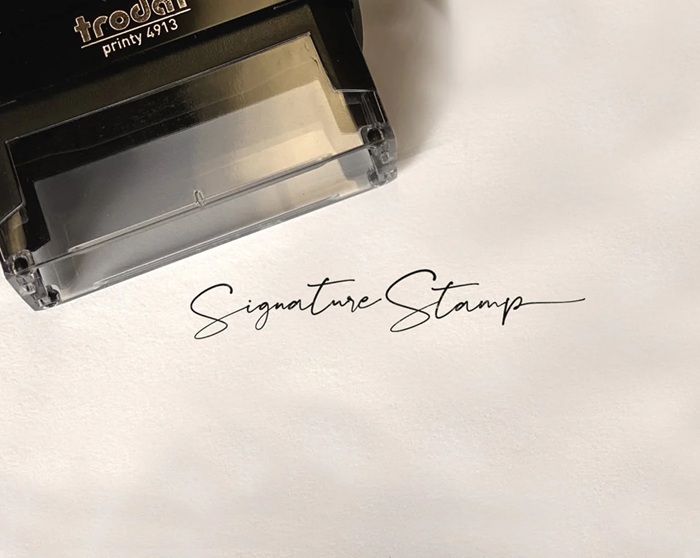
How Can You Balance Convenience and Customization When Buying Signature Stamps?
Understand Your Primary Purpose
Before purchasing a signature stamp, determine how you plan to use it. Some people need a stamp for occasional document signing, while others use it daily for business operations.
For example, doctors, managers, accountants, and company executives may sign dozens of documents every day. In such cases, convenience becomes a major consideration. A stamp that delivers quick and consistent impressions can save a considerable amount of time.
On the other hand, if the stamp represents your personal identity or professional image, customization becomes equally important.
Choose the Right Stamp Type
Different stamp types offer different levels of convenience.
Self inking signature stamps are often preferred because they are easy to use and do not require a separate ink pad. A simple press produces a clear impression, making them suitable for frequent use.
Traditional rubber stamps may require additional steps during use, but they can still be a good option for users who sign documents less frequently.
Selecting the appropriate stamp type helps create a balance between ease of use and the appearance you want.
Focus on Signature Accuracy
A signature stamp should closely represent your actual signature. This is where customization becomes important.
Many stamp providers allow customers to upload a scanned image of their signature. The quality of the uploaded signature can directly affect the final stamp impression.
Use a clear and high resolution signature sample whenever possible. This helps create a cleaner reproduction and improves readability on documents.
A stamp that accurately reflects your signature can maintain a professional appearance while still providing the convenience of rapid document processing.
Consider the Size Carefully
Larger signature stamps can capture more details from your signature. This may improve visual accuracy and preserve finer strokes.
However, a larger stamp may take up more space on documents and may be less convenient for compact forms.
Smaller stamps are easier to position and use on different document types, but they may lose some signature details.
Choosing a size that supports both readability and practical usage is often the best approach.
Think About Design Preferences
Some buyers want a simple signature reproduction, while others prefer additional elements such as names, titles, or business information.
Adding extra details can create a more personalized appearance. However, excessive design elements may reduce clarity and make the stamp harder to use across different document formats.
Keeping the design clean and functional often produces better results.
This is also where Signature Stamp Art becomes relevant. Certain users appreciate a refined signature appearance that reflects their personal or professional style. While visual appeal is important, it should not interfere with the stamp’s main purpose, which is efficient document signing.
Evaluate Durability and Maintenance
Convenience extends beyond daily usage. It also includes long term reliability.
A durable stamp can continue producing consistent impressions over an extended period. Materials, construction quality, and ink performance all contribute to overall usability.
Self inking models generally require occasional ink replacement. Understanding these maintenance requirements before purchasing can help prevent future inconvenience.
A stamp that combines dependable performance with your preferred customization options often provides better value.
Review Security Considerations
Signature stamps should be stored safely because they represent your signature.
Some stamp models include security features such as lock mechanisms that prevent accidental use. These features add convenience while helping protect against unauthorized access.
If the stamp will be used in a professional environment, security should be considered during the purchasing process.
Conclusion
Balancing convenience and customization begins with understanding your specific needs. A signature stamp should simplify document signing while accurately reflecting your signature and professional identity.
By selecting the right stamp type, choosing an appropriate size, focusing on signature accuracy, and considering design preferences, you can make a practical purchasing decision. The goal is to find a signature stamp that performs efficiently every day while maintaining the appearance and personalization that matter most to you.
