
Self inking signature stamps are commonly used in offices, banks, and small businesses to save time when signing repetitive documents. While they offer convenience, many users have concerns about misuse or forgery. It is important to understand how these stamps work, where risks may arise, and what practical steps can reduce problems. This article explains the safety aspects of self inking signature stamps in a clear and practical manner.
Are Self Inking Signature Stamps Safe from Misuse or Forgery?
From a legal perspective, the safety of a signature stamp depends on usage. Courts often look at intent and authorization rather than the method of signing. If the stamp was used with consent and within company policy, it is generally accepted for operational documents.
Problems arise when stamps are used without permission or on documents that require handwritten signatures. Clear internal rules play a key role in avoiding such situations.
How Self Inking Signature Stamps Work
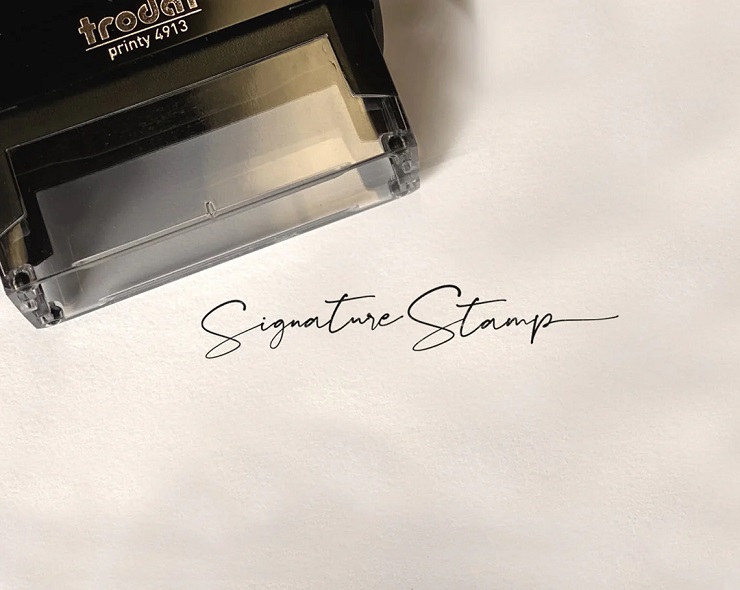
A self inking signature stamp contains a built in ink pad and a rubber plate with a signature impression. When pressed, the stamp automatically re inks itself and produces a consistent mark every time. These stamps are often ordered with a handwritten signature or a Signature Stamp with printed name for better clarity.
Because the impression is repeated exactly, it is easy to identify the stamp output. At the same time, this repeated consistency is also what raises concerns about misuse.
Common Ways Misuse Can Happen
Misuse usually happens when access to the stamp is not controlled. Since the stamp does not require special skills to operate, anyone who has physical access can apply the signature on documents.
Some common misuse scenarios include:
- Unauthorized staff using the stamp without permission
- Stamps left unattended on desks or shared drawers
- Former employees retaining access after role changes
In most cases, misuse is not caused by the stamp itself but by poor handling practices.
Risk of Forgery Using Signature Stamps
Forgery using a self inking signature stamp is possible, but it differs from handwritten signature forgery. A stamped signature produces a uniform impression, while handwritten signatures naturally vary. Because of this, stamped signatures are easier to identify during audits.
However, if a document does not clearly mention that a stamp was used, disputes may arise. This is why stamped signatures are often restricted for internal approvals, routine forms, or low risk documents.
Where Signature Stamps Are Generally Accepted
Self inking signature stamps are widely accepted for:
- Internal company documents
- Delivery acknowledgments
- Routine approvals
- Invoices and receipts
They are usually not accepted for:
- Legal agreements
- Property related documents
- Banking authorizations
- Government filings
Understanding where the stamp is allowed helps reduce exposure to forgery related issues.
Practical Ways to Reduce Misuse
Although risks exist, they can be managed with simple controls. The following practices are commonly followed by organizations:
- Store the stamp in a locked drawer or cabinet
- Limit usage to one authorized person
- Keep a usage log for sensitive documents
- Avoid using the stamp for external legal paperwork
Using a Signature Stamp with printed name also adds clarity, as it clearly shows that the mark is a stamp and not a handwritten signature.
Conclusion
Self inking signature stamps are safe for routine and controlled use, but they are not immune to misuse or forgery. The main risk comes from unrestricted access rather than the stamp design itself. By limiting usage, storing the stamp properly, and using it only for appropriate documents, most issues can be avoided. When used with clear policies and simple controls, self inking signature stamps remain a reliable tool for daily business operations.
