
Aluminum carpentry has always been about precision, durability, and design freedom. But in today’s modern projects, customers demand more than standard shapes and cuts. They want unique patterns, sleek finishes, and personalized structures that match architectural visions. CNC machining makes this level of customization achievable without slowing production. It uses digital programming and automated tools for cutting and shaping aluminum with incredible accuracy. This process gives carpentry experts the flexibility to create designs once thought impossible.
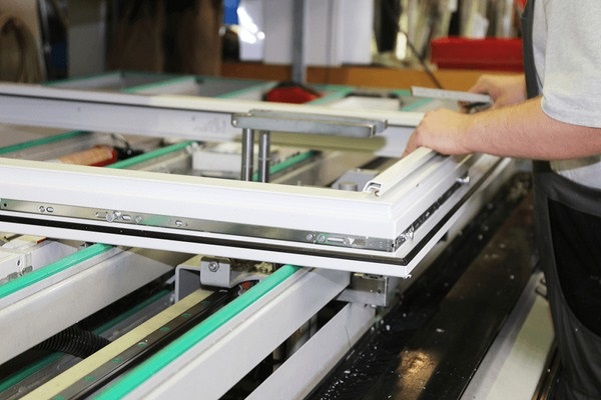
Precision Tools Shaping New Possibilities
CNC machining relies on computer-driven tools that can execute designs with razor-sharp accuracy. Each programmed detail gets replicated with no errors between batches of components. This makes it possible to develop aluminum frames with special grooves or bold contours. Architects and designers can push creative boundaries without worrying about inconsistent cuts or alignments. The precision reduces waste, saving both materials and overall project costs. With CNC technology, ideas move seamlessly from digital blueprints into finished carpentry pieces.
Freedom In Personalized Structures
Traditional manual carpentry often limits how much personalization is realistic for a project. CNC machines remove those limitations by allowing complex custom shapes at scale. Homeowners and builders can now choose designs reflecting their exact style or preference. Frames can include unusual angles, curved lines, or fine detailing never achievable by hand. This creates aluminum structures that feel distinctive and deeply connected to personal choices. Customization becomes part of the construction identity rather than an optional feature.
Complex Designs Becoming Everyday Reality
Before CNC machining, highly detailed aluminum patterns were time-consuming and expensive to achieve. Now complex designs like perforated panels, intricate facades, or decorative frames are routine. Machines cut with high speed and flawless repetition, keeping even delicate features intact. This makes aluminum carpentry not just functional, but also a striking architectural element. Builders are increasingly exploring CNC-driven details for both residential and commercial projects. These designs elevate simple structures into artistic statements while maintaining mechanical strength.
Flexibility For Large and Small Projects
Another advantage of CNC machining is the ability to handle any scale of production. From small decorative pieces to large structural frames, machines adapt instantly to needs. This flexibility means a local workshop can serve both homeowners and big contractors. Even when large batches are required, CNC keeps every item consistent and reliable. At the same time, it supports quick production of single custom orders without delays. That balance of scalability and uniqueness is revolutionizing aluminum carpentry practices worldwide.
Modern Efficiency Meeting Local Demands
In many regions, aluminum carpentry companies are using CNC machining to stay competitive. It helps them deliver faster results, better quality, and endless possibilities for customization. For example, carpinteria aluminio Valencia showcases how regional businesses embrace this advanced technology. Customers now expect carpentry that blends personal design freedom with professional precision. CNC provides exactly that while lowering production time and ensuring consistent durability. This approach aligns with modern demands for both aesthetic excellence and practical performance.
Conclusion
CNC machining is reshaping how aluminum carpentry designs are imagined and delivered. It empowers architects, builders, and homeowners to break away from generic structures. Precision and flexibility come together, allowing projects to reflect individual creativity without sacrificing efficiency. What was once a challenge for traditional methods is now accessible with automation. In the end, CNC technology is more than a tool—it is a design revolution for aluminum carpentry.
